

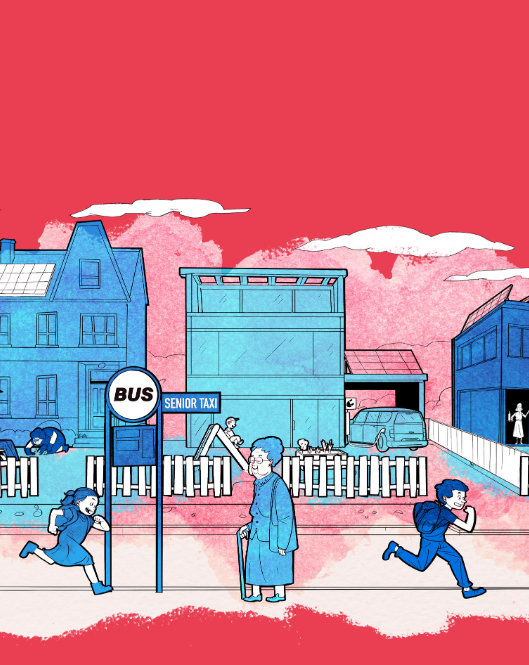
The transport sector is the most problematic sector in terms of greenhouse gas emissions and impact on climate change. Halting the rise in emissions from transport is one of the toughest nuts that countries must crack on the road to climate neutrality. It is a major challenge, but one that also brings opportunities to improve the existing transport system.
What does decarbonization of transport mean and why is it important?
Because transport has a significant impact on the environment and air quality, decarbonization has become one of the key priorities of transport planning. It forms the basis of transport policies at national and local level, as it enables the construction of a more sustainable and efficient transport system that benefits people and does not harm the planet.
To raise public awareness of this issue, we have prepared an overview in which we debunk seven myths circulating about various aspects of decarbonizing transport:
- Myth #1: It is all about getting rid of cars
- Myth #2: Cutting transport emissions won’t make a big difference
- Myth #3: Low-carbon transport costs too much and brings no benefits
- Myth #4: Green transport only works in cities, not rural areas
- Myth #5: Moving to clean transport will destroy automotive industry jobs
- Myth #6: Making transport sustainable drains the municipal budget
- Myth #7: Electrification of vehicles only benefits the rich
Read all about why these myths are false in our publication:
This collection of myths was compiled in collaboration with our Czech partners at Centrum pro dopravu a energetiku (CDE) and with financial support from the European Climate Initiative (EUKI) of the German (BMUKN). The opinions expressed are those of the authors and do not necessarily reflect the views of the funder.